> Skip to main content
Category

End Inequalities

Interview to Safai Karmachari Andolan’s director Bezwada Wilson

By India

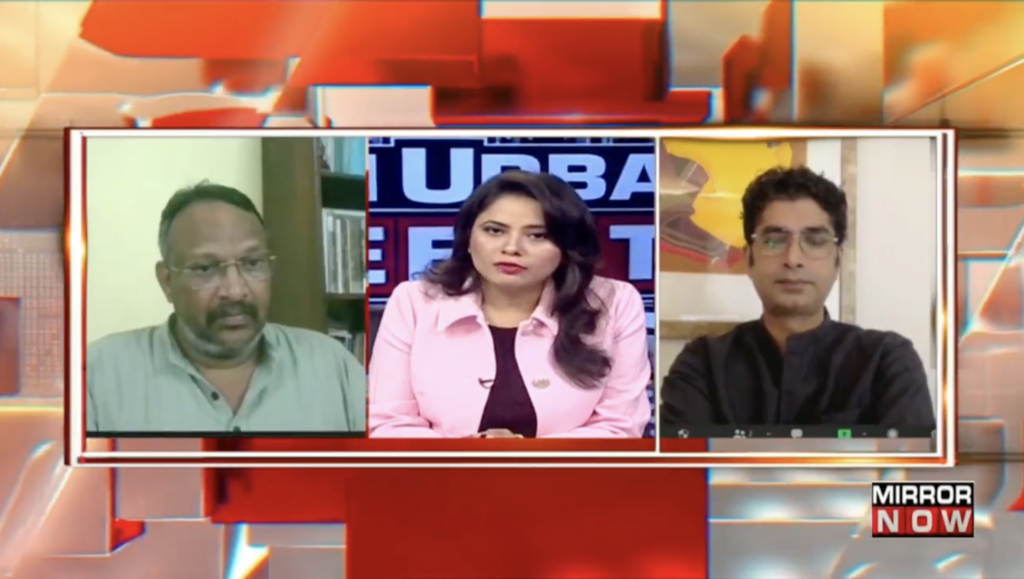
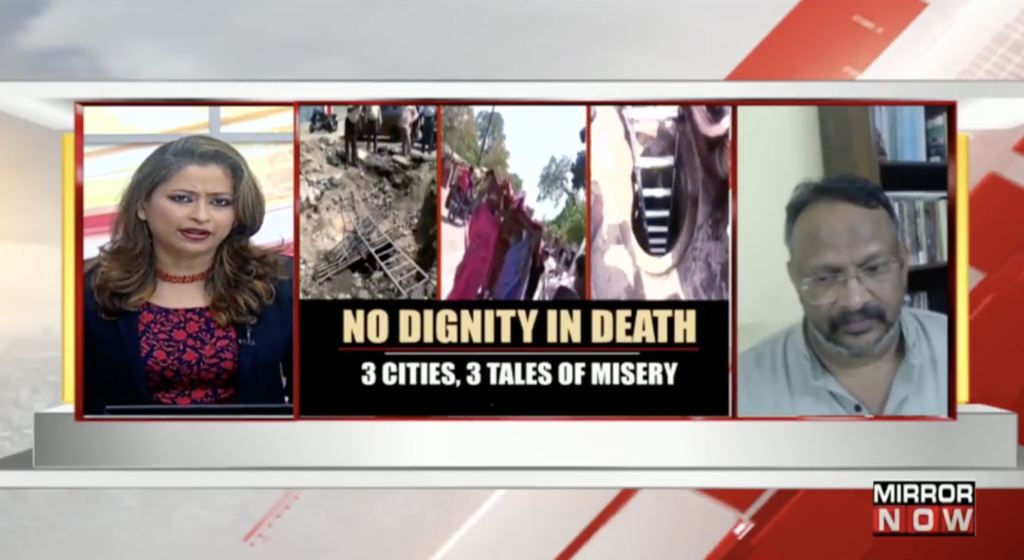
On 30 March 2022, Safai Karmachari Andolan’s director Bezwada Wilson was interviewed by the Indian TV channel Mirror Now.

“People feel bad for few minutes and later everybody forgets and move on. We shouldn’t keep quite anymore.”
(Click here to watch the video)

“We have no idea whether to collect, manage or dispose the garbage. We are throwing sewage water everyday in Yamuna, without even treating it.”
(Click here to watch the video)

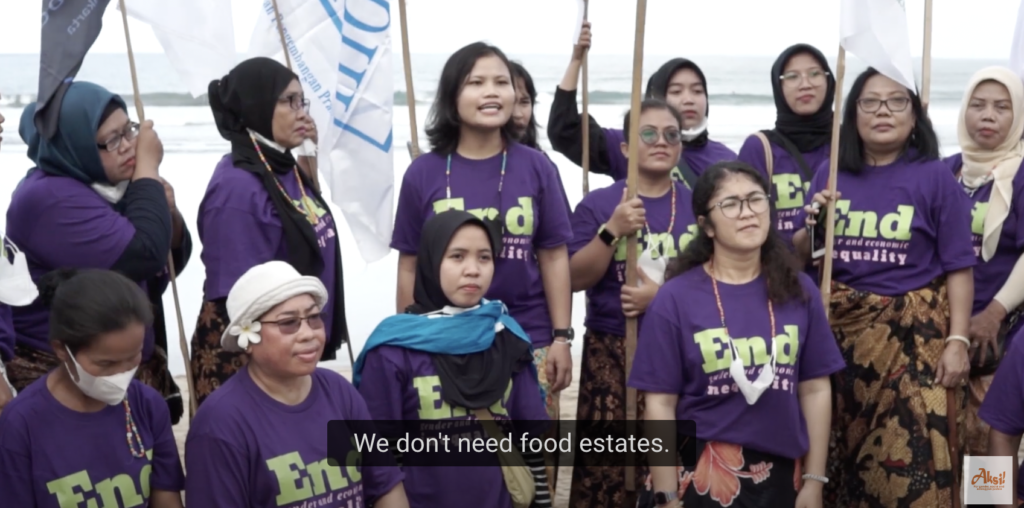
Women from all walks of life walk together and call out for change

By Campaign, Events, Indonesia

“Hopefully it [our calls for change] will contribute to the G20 agenda so that the impoverishment of Indonesian women can be addressed.” 

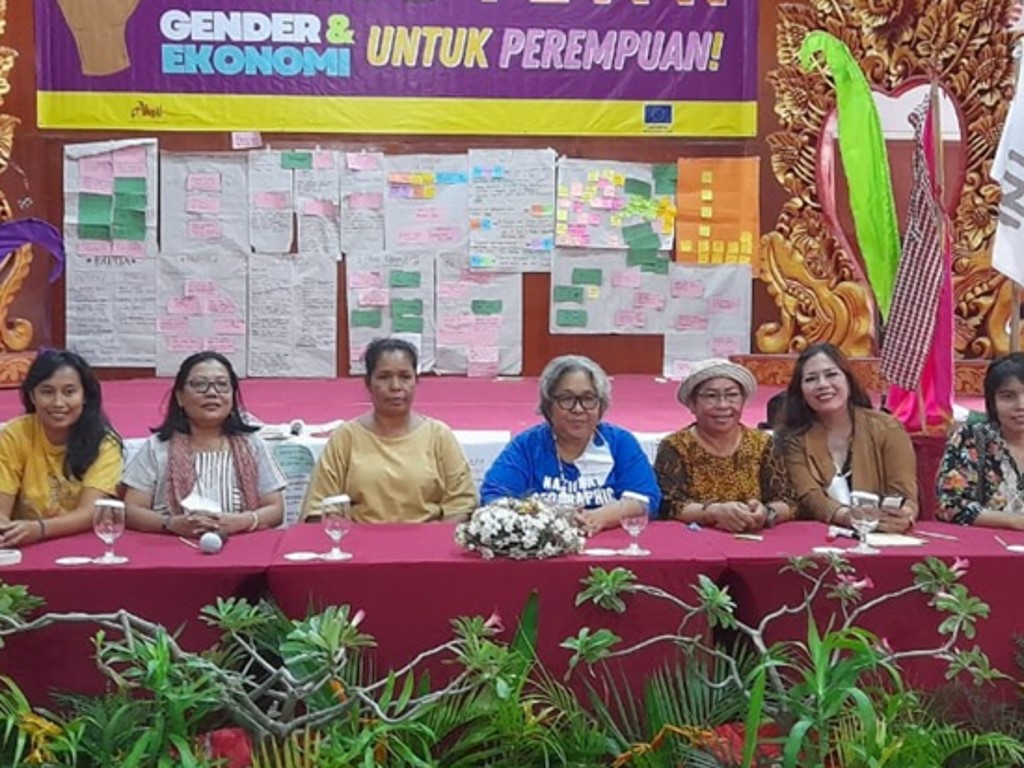
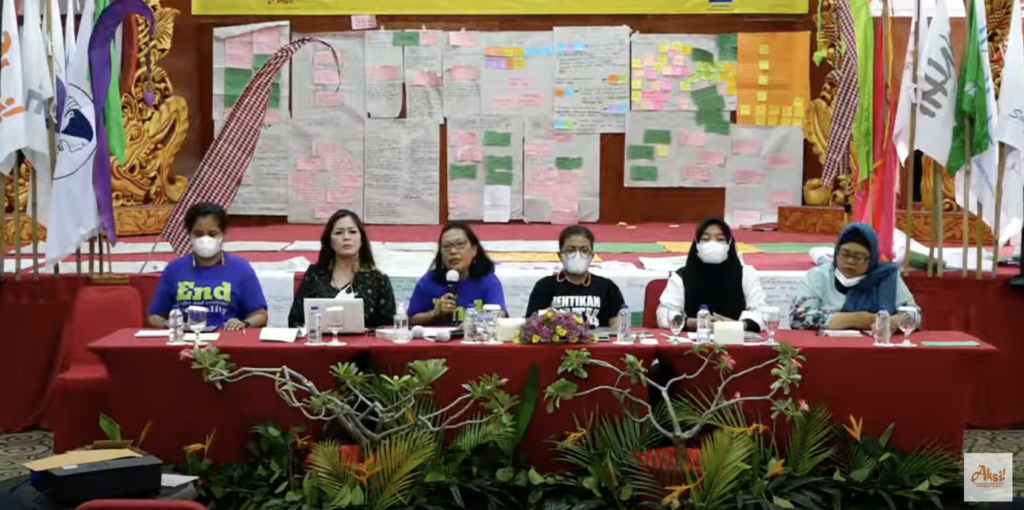
Indonesian women from various backgrounds – from farmers to street vendors to migrant workers – came together for a series of events in March 2022 to address the inequalities they face in their daily lives. After a series of consultations and a strategy meeting, a set of 9 demands was drawn up which represented the common priority concerns of these women. These demands were released during a press conference on International Women’s Day, and a demonstration on the beaches of Bali helped draw further attention to the demands.

As a result of these activities and the sense of solidarity and sisterhood established through the process, the women decided to form a network of women for gender and economic justice, dubbed “P23+ Network”. The network is committed to working together to pursue the nine demands formulated together.

Read more here.

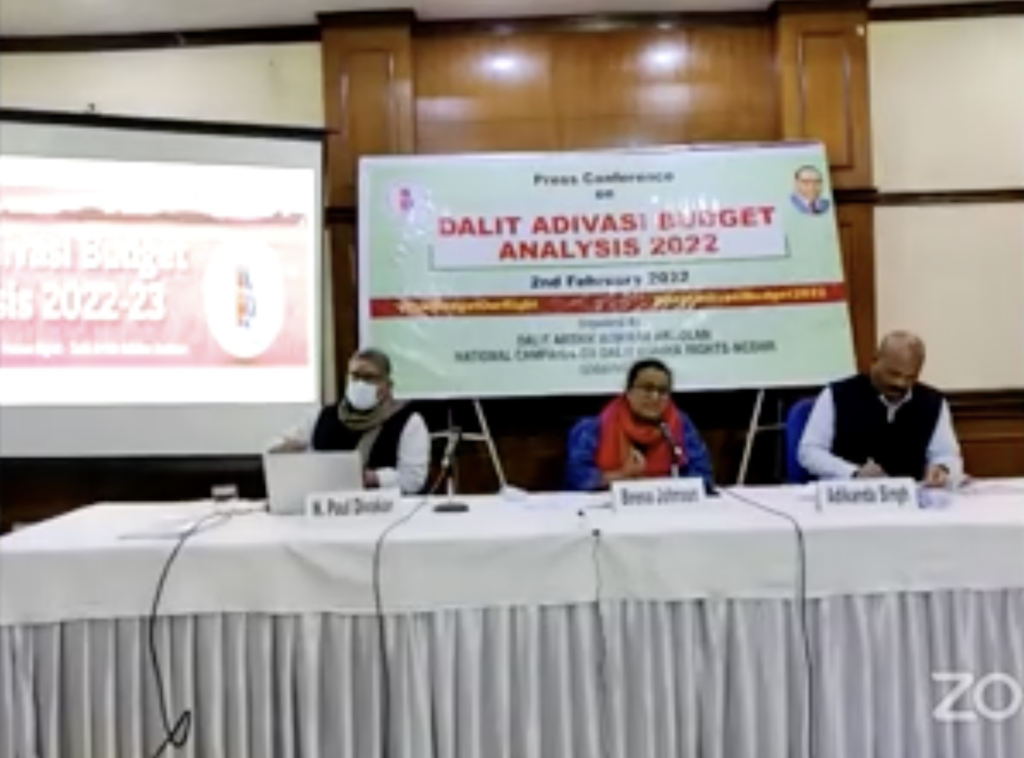
Press Conference – Dalit Adivasi Budget Analysis 2022-23

By Events, India


On 2 February 2022, NCDHR held a press conference in Delhi to share its analysis on the Union Budget for 2022-23, from the perspective of Dalit and Adivasis – with a particular emphasis on women from these communities.

The conference highlighted the need for economic recovery resulting from the unprecedented pandemic situation, with its particularly harsh impact on marginalised communities.

The panellists emphasised on denial of the budgetary rights of the Dalits and Adivasis and stressed the need to have appropriate allocation for the development of the Dalit and Adivasi communities. The press conference placed a special focus on Dalit women, and particularly sanitation and frontline workers, including gender budget allocations for Dalit and Adivasi women allocations for areas such as higher education and prevention of violence. Subsequently, press conferences were organised across 10 states, and the analysis was widely covered in press reports both at the national and state level in Hindi, English and regional languages (read articles here and here.)

Watch the press conference