
Farmer women and Batak women are the victims who suffer the most in tenure conflicts in North Sumatra due to plantation projects. However, the women continued to struggle to defend their ancestral lands.
Full movie available soon.
Farmer women and Batak women are the victims who suffer the most in tenure conflicts in North Sumatra due to plantation projects. However, the women continued to struggle to defend their ancestral lands.
Full movie available soon.
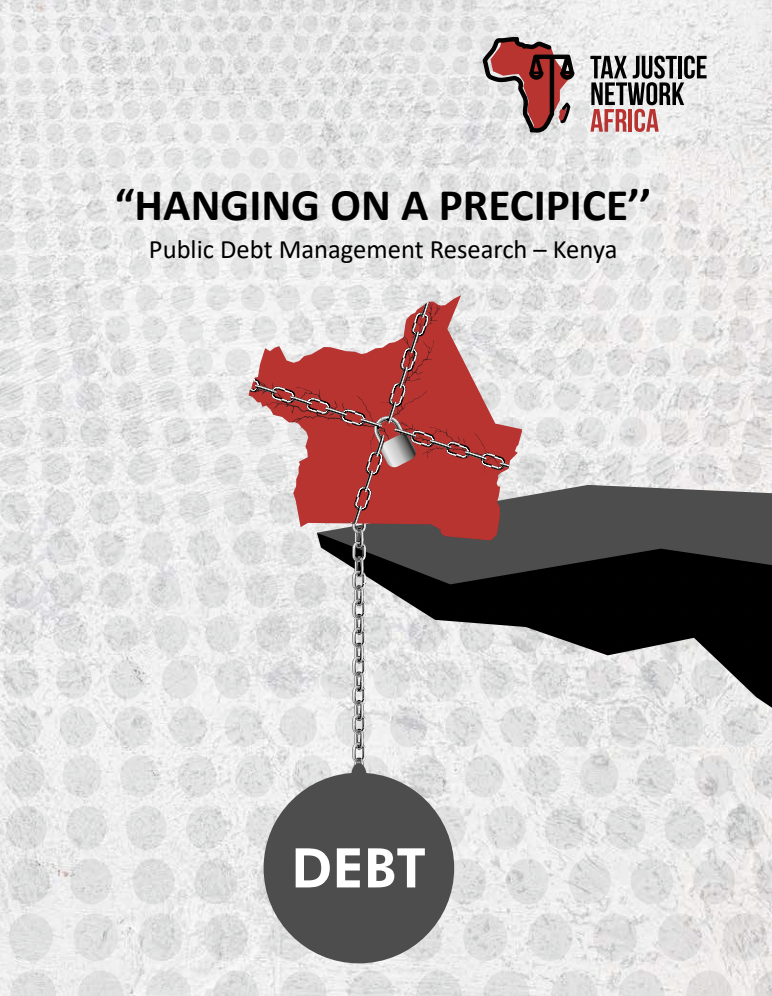
This study published by Tax Justice Network Africa sought to assess the implications of Kenya’s debt management on the advancement of human rights, and the 2030 Agenda. This necessitated the assessment of Kenya’s debt management frameworks, analysis of the implications of public debt on citizens, and assessment of the level of adoption of the 2030 Agenda in different facets of Kenya’s public finance space. The study was guided by research themes developed from the research questions.
The research themes included:
• Debt servicing and expenditure on sectors of the economy (including pro-poor sectors)
• Integration of human rights and the 2030 Agenda in Kenya’s planning and budgeting frameworks
• Kenya’s Debt data transparency
• Kenya’s Debt sustainability
• Kenya’s involvement in the multilateral agenda on debt
This report, by the National Campaign on Dalit Human Rights provides insight into the lived realities and stories of women and girl sanitation workers in two states in India (Madhya Pradesh and Maharashtra). Their voices often go unheard and their lives made invisible due to the stigma attached to their work. Based on a combination of a literature review and focus group discussions with women and girl , the report helps the reader to understand the issues and challenges of daily life from their lens, and the hurdles they face in accessing their rights and entitlements. The report also provides an analysis of existing schemes and budget allocation for sanitation workers and the gaps that must be addressed by the government and society at large.

This report compiles an overview of findings from consultations carried out by Aksi! with women in 10 cities across Indonesia between November 2021 and January 2022. The report sheds light on the issues of gender and economic inequality faced by women at the forefront of these issues as expressed and analysed by the women themselves. It is hoped that by reading this report, stakeholders can see the situation of women from their own perspective, understand their challenges and their aspirations for change, and then develop joint efforts to help them, their families and communities deal with the situations of inequality and injustice they face.
The report is only available in Bahasa Indonesia.
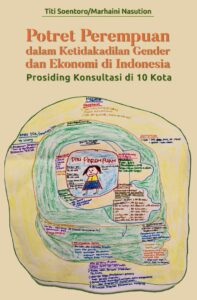
Or view the online flipbook version here.
For the Dayak people, the forest is a symbol of women’s dignity. However, the indigenous people on the island of Borneo have to face land grabbing which has an impact on their lives.
This documentary by Aksi! for gender, social and ecological justice and New Age Cinema is the result of collaboration with the Mamut Menteng Women’s Solidarity. The full movie will be available soon.
In this documentary produced by Centro de Derechos Económicos y Sociales (CDES), the Women of Plan de Vida Fenashp in Ecuador, the Federation of Indigenous Organizations of Napo (FOIN) and the Union of People Affected by Chevron-Texaco (UDAPT) tell the story of their lives as women in their communities facing fiscal austerity as a consequence of high debt service payments.

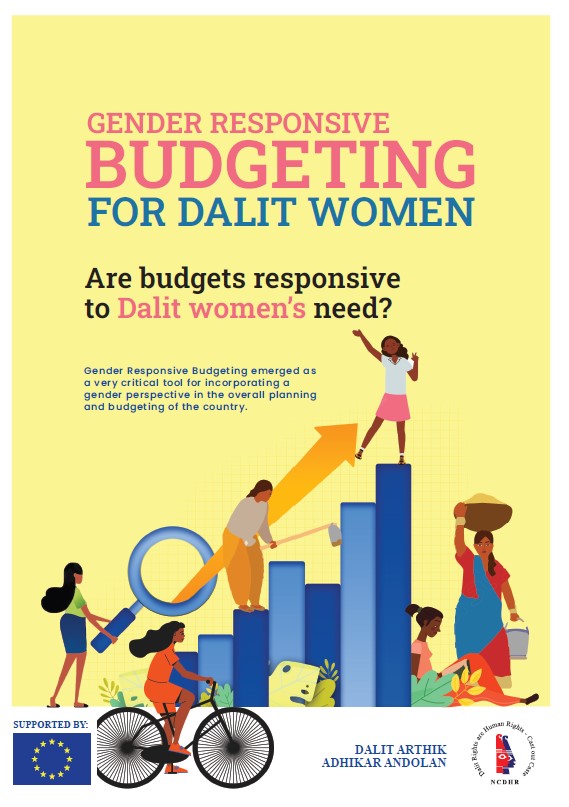
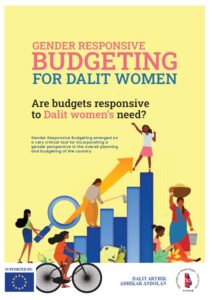
Gender Responsive Budgeting has emerged as critical tool for incorporating a gender perspective into India’s overall planning and budgeting. But are India’s budgets responsive to Dalit women’s needs? NCDHR analyses whether India’s budgets in 2019-2023 have been successful in reaching the most marginalised women after two decades of gender responsive budgeting. The report also proposes changes that the union government can make to make its gender responsive budgeting more inclusive of Dalit women.
“Casteism and untouchability still decide the social structure in the larger part of the country. For them development is just a superficial myth.”
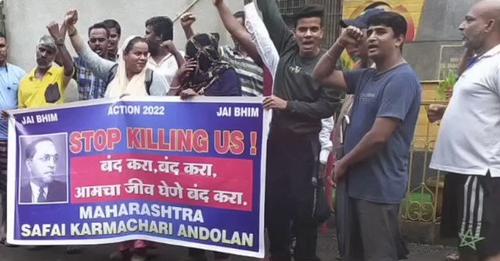
Members of Safai Karmachari Andolan – a movement of people engaged in or formerly engaged in manual scavenging that spans across India, have been campaigning every day for over 150 days. The campaign, called “Stop Killing Us” aims to bring attention to the often ignored, under-reported issue of deaths of sanitation workers who regularly die from exposure to noxious gases in sewers and septic tanks. This work is carried out by people who feel they have no economic alternative. SKA is calling for contractors and municipalities to take responsibility, for governments to make use of machinery compulsory for such work, and for proper rehabilitation and support to be provided for people to transition to dignified livelihoods with living wages. Read more here and follow the ongoing campaign updates on Twitter here (#StopKillingUs).
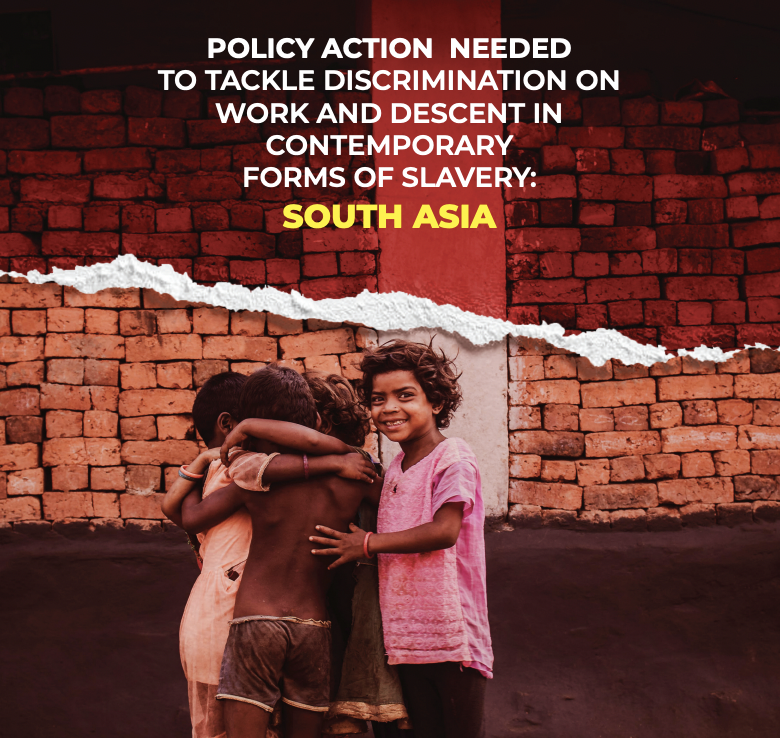
Modern slavery is the recruitment, movement, harbouring or receiving of people through the use of force, coercion, abuse of vulnerability, deception or other means for the purpose of exploitation. The victim under modern slavery is, therefore, confronted with threats, violence and abuse of power. Modern slavery occurs in different situations in which a victim is severely exploited for the gain of the perpetrator, either personal or commercial. It can take various forms such as bonded labour/debt bondage, forced labour, forced child labour, sex trafficking, child sex trafficking, domestic servitude and unlawful recruitment and use of child soldiers.
‘Discrimination based on work and descent’ (DWD) is the UN terminology for caste discrimination. It affects over 260 million people globally, it has its roots in the centuries-old caste system of India and is prevalent in India, Nepal, Pakistan, Bangladesh, Sri Lanka and the Indian diaspora, owing to shared histories, borders and people.
The briefing demonstrates the links between caste-based discrimination and forms of modern slavery in South Asia, including the practice of forced labour in the form of manual scavenging and presents recommendations for policy-makers at various levels.

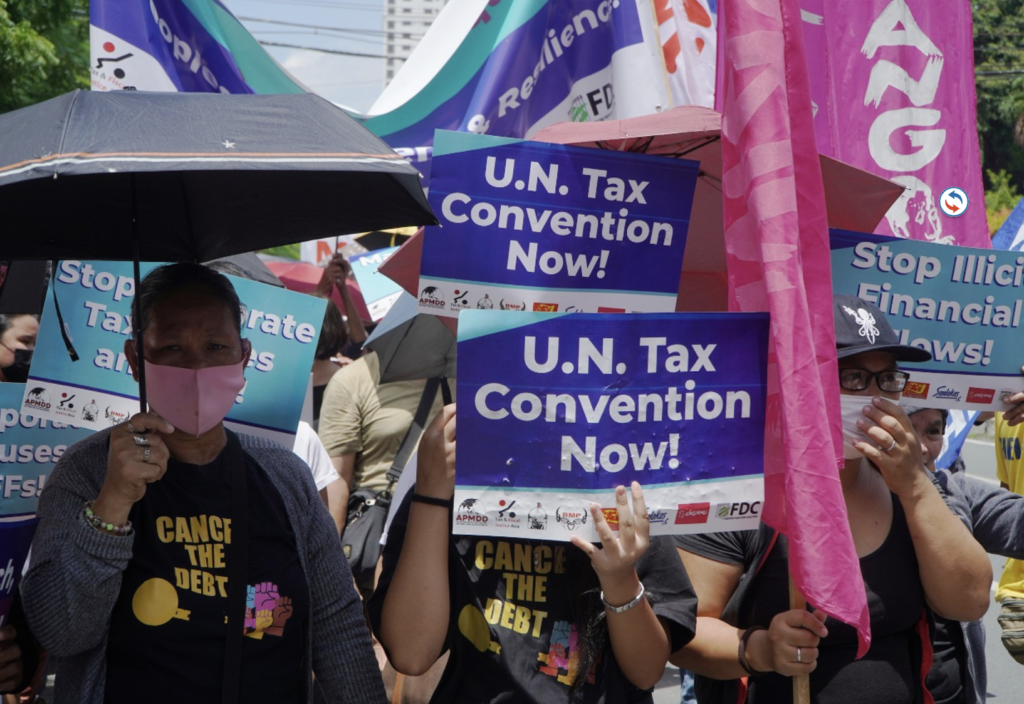
The Asian Peoples’ Movement on Debt and Development (APMDD) welcomes the support of United Nations Secretary-General Antonio Guterres for calls for a UN Tax Convention, recently reiterated by Finance Ministers in Africa and by civil society organizations across the world. This is a step in the right direction towards fixing the fundamental flaws of the international tax architecture and upholds the rights of Global South countries not only to their tax and fiscal sovereignty, but also to raise revenues and rebuild economies in the face of multiple crises that have sharpened under the COVID-19 pandemic.