This national report provides an analysis of the negative impacts of the COVID-19 pandemic on safai karmachari communities and how they were subjected to higher risks and significant challenges due to caste discrimination. The report includes several case studies that share the stories of what people from the safai karmachari community had to face in this period.
This report provides a national analysis of the situation of safai karmachari communities, drawing on data collected by SKA from focus group discussions and interviews with 1,476 safai karmachari women in seven states as well as a desk review of available government data. The findings covered educational levels, employment status, economic status, livelihood opportunities, access to government entitlements, and the discrimination and challenges they experience. Finally, the report contrasts their experience to the relevant protections enshrined in the Indian constitution.

The Dalit and Adivasi Budget Analysis (DABA) provides a thorough analysis of the Union Budget and examines the budget allocation for the Scheduled Castes and the Scheduled Tribes. In 2023, the findings were particularly concerning and newsworthy, as numerous government schemes intended to support these groups have had reduced allocations, while many general schemes are counted as part of the budget for these groups, although they are not directly targeted to them.
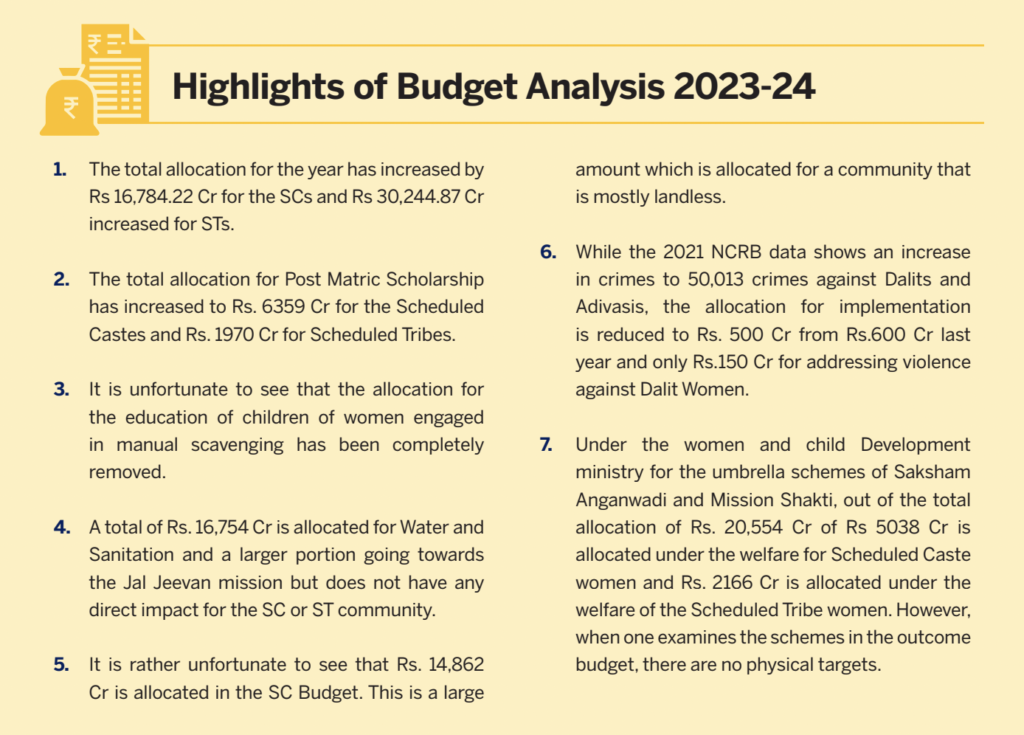
Contrary to the commitment to end manual scavenging, no funds were allocated for the rehabilitation of manual scavengers under the self-employment scheme, the scholarship programme for children of people engaged in manual scavenging has been dropped, and the National Safai Karmachari Finance and Development Corporation received a negligible allocation.
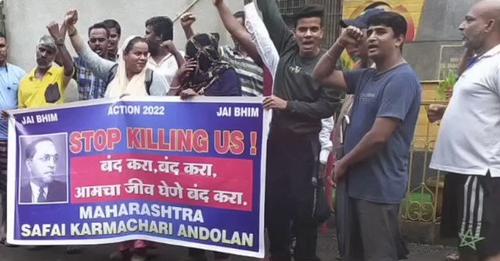
“[The] budget fails to take notice of hundreds of deaths taking place in sewers or septic tanks, all these years, whereas we at Safai Karamchari Andolan have been demonstrating on the streets daily for the last 264 days in various parts of the country, demanding to put a complete halt on deaths taking place in sewers and septic tanks. Ironically, since we started this #StopKillingUs campaign on May 11, 2022, there have been more than 50 deaths of Indian citizens inside sewers and septic tanks. But, governments are mum on that.”
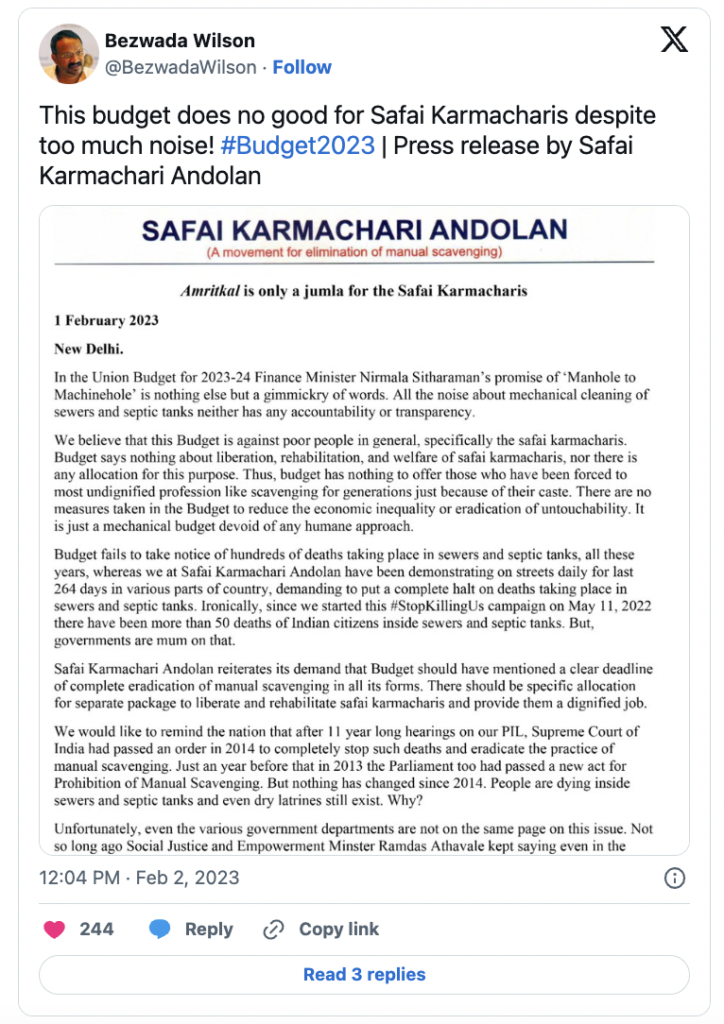
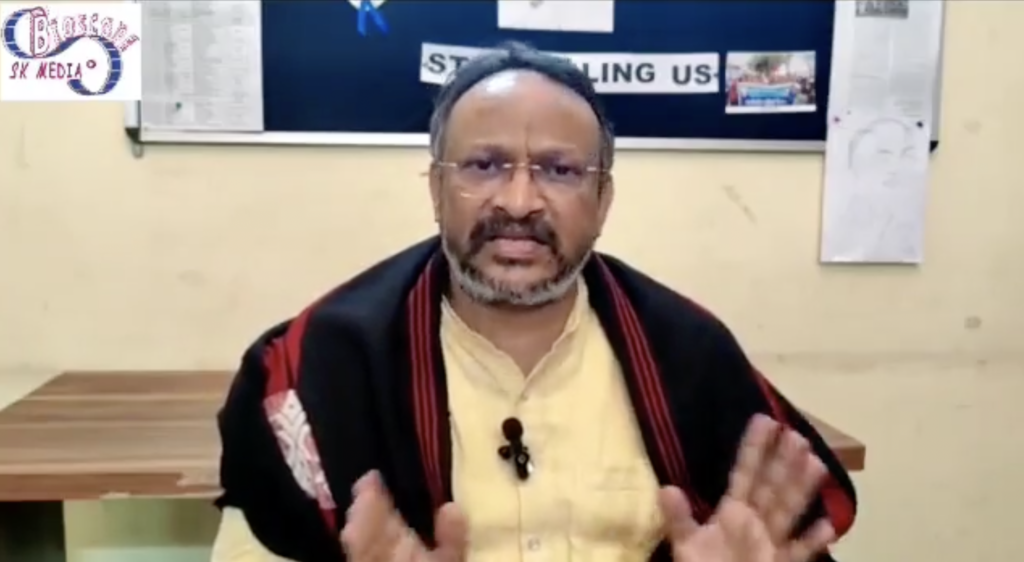
Safai Karamcharis Andolan responded to the Union Budget for 2023-2024 with a press release and a video. The organisation raised the issue of the SRMS (rehabilitation scheme) being removed from the budget and merging with the ‘NAMASTE’ scheme which only allocates budget for producing sewage cleaning machines, but not for the people.
The question was raised of why the human element has been lost and how the people themselves will be supported to step out of this work.

This report, by the National Campaign on Dalit Human Rights provides insight into the lived realities and stories of women and girl sanitation workers in two states in India (Madhya Pradesh and Maharashtra). Their voices often go unheard and their lives made invisible due to the stigma attached to their work. Based on a combination of a literature review and focus group discussions with women and girl , the report helps the reader to understand the issues and challenges of daily life from their lens, and the hurdles they face in accessing their rights and entitlements. The report also provides an analysis of existing schemes and budget allocation for sanitation workers and the gaps that must be addressed by the government and society at large.

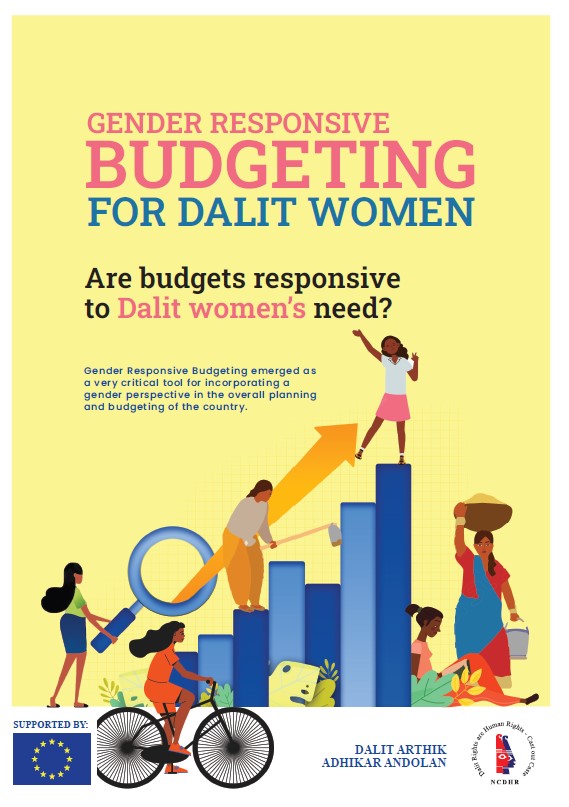
Gender Responsive Budgeting has emerged as critical tool for incorporating a gender perspective into India’s overall planning and budgeting. But are India’s budgets responsive to Dalit women’s needs? NCDHR analyses whether India’s budgets in 2019-2023 have been successful in reaching the most marginalised women after two decades of gender responsive budgeting. The report also proposes changes that the union government can make to make its gender responsive budgeting more inclusive of Dalit women.
“Casteism and untouchability still decide the social structure in the larger part of the country. For them development is just a superficial myth.”
Members of Safai Karmachari Andolan – a movement of people engaged in or formerly engaged in manual scavenging that spans across India, have been campaigning every day for over 150 days. The campaign, called “Stop Killing Us” aims to bring attention to the often ignored, under-reported issue of deaths of sanitation workers who regularly die from exposure to noxious gases in sewers and septic tanks. This work is carried out by people who feel they have no economic alternative. SKA is calling for contractors and municipalities to take responsibility, for governments to make use of machinery compulsory for such work, and for proper rehabilitation and support to be provided for people to transition to dignified livelihoods with living wages. Read more here and follow the ongoing campaign updates on Twitter here (#StopKillingUs).
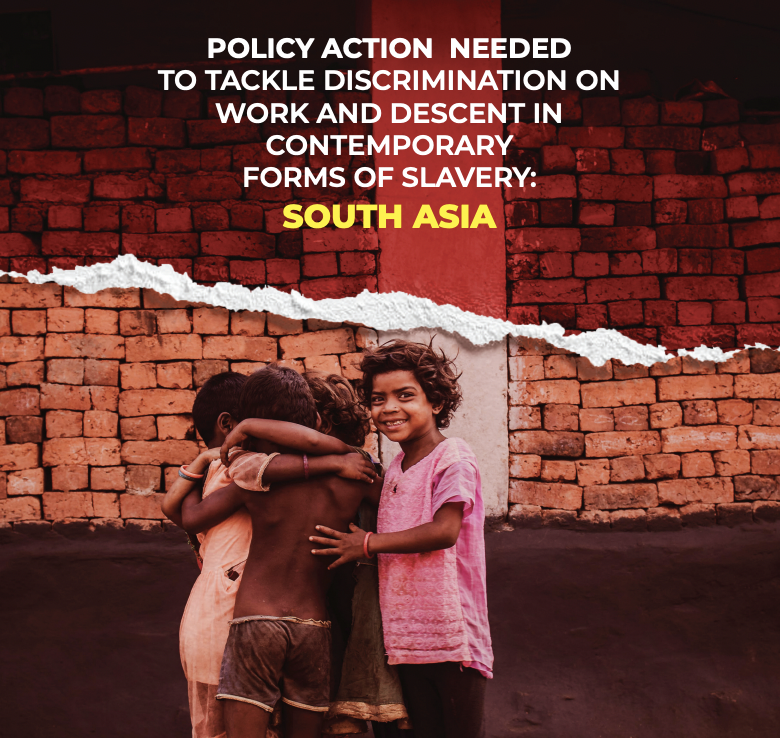
Modern slavery is the recruitment, movement, harbouring or receiving of people through the use of force, coercion, abuse of vulnerability, deception or other means for the purpose of exploitation. The victim under modern slavery is, therefore, confronted with threats, violence and abuse of power. Modern slavery occurs in different situations in which a victim is severely exploited for the gain of the perpetrator, either personal or commercial. It can take various forms such as bonded labour/debt bondage, forced labour, forced child labour, sex trafficking, child sex trafficking, domestic servitude and unlawful recruitment and use of child soldiers.
‘Discrimination based on work and descent’ (DWD) is the UN terminology for caste discrimination. It affects over 260 million people globally, it has its roots in the centuries-old caste system of India and is prevalent in India, Nepal, Pakistan, Bangladesh, Sri Lanka and the Indian diaspora, owing to shared histories, borders and people.
The briefing demonstrates the links between caste-based discrimination and forms of modern slavery in South Asia, including the practice of forced labour in the form of manual scavenging and presents recommendations for policy-makers at various levels.
